
Key Summary
As AI-driven cyberattacks become more sophisticated, traditional security controls alone may struggle to prevent every intrusion. UMV Inc. officially launched its ZYON AI security platform in Japan at Tokyo Security Days Fall 2026, introducing AI-powered web shell detection and real-time website recovery through technical presentations and live demonstrations. The event highlighted how WSS AI and WARSS can help organizations strengthen threat detection, cyber resilience, and business continuity.
UMV Officially Launches ZYON AI in Japan
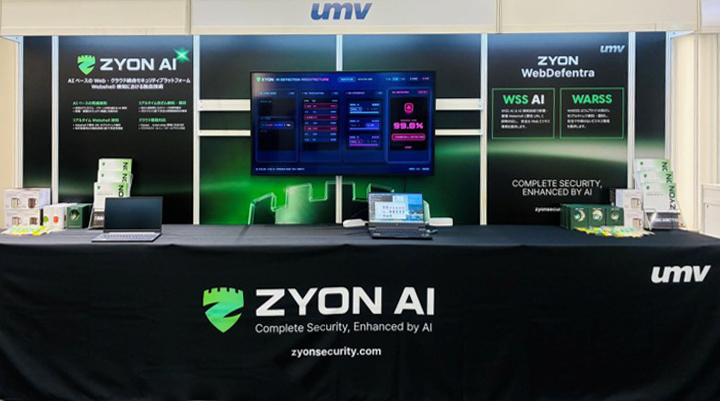
UMV Inc., a web and cloud security company, participated in Tokyo Security Days Fall 2026, held in Japan from October 21 to 23, 2026.
The event marked the official launch of UMV’s ZYON AI security platform in the Japanese market.
Japan’s cybersecurity market places significant emphasis on technical reliability, product maturity, and proven security capabilities. UMV entered the market by introducing its independently developed security technologies directly to Japanese security professionals.
During the exhibition, UMV presented its approach to defending web infrastructure against increasingly sophisticated cyber threats.
The company also conducted a technical seminar and live demonstrations to introduce ZYON AI’s detection and recovery capabilities.
Through these activities, UMV aimed to demonstrate how AI-powered security technologies can support organizations facing increasingly complex attacks.
Addressing AI-Driven Cyber Threats Through Cyber Resilience
As artificial intelligence becomes increasingly accessible, attackers are exploring new ways to automate and accelerate malicious activities.
AI agents can support reconnaissance, vulnerability identification, and other stages of cyberattacks. These developments create additional challenges for organizations relying primarily on preventive security controls.
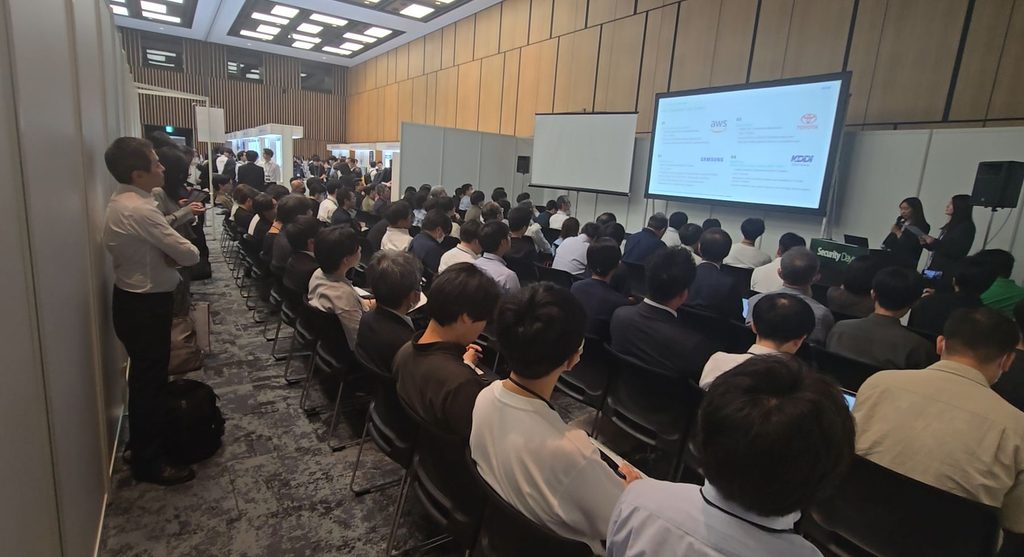
At Tokyo Security Days Fall 2026, UMV presented a technical seminar titled:
“Web Shell Security Incidents: SK Telecom and Asahi Cyberattacks and Mitigation Strategies”
The session was delivered by Lee Yeon-joo, Marketing Team Leader at UMV.
The presentation examined emerging AI-agent-driven threat trends and discussed a reported attack involving a Taiwanese government institution.
It also referenced the SK Telecom and Asahi cyber incidents to discuss web shell-related security risks and approaches to mitigating intrusions.
A central theme was the growing importance of cyber resilience.
Preventing every cyberattack is increasingly difficult in a constantly evolving threat environment. Organizations must therefore prepare not only to detect and block attacks but also to recover quickly when security incidents occur.
Cyber resilience emphasizes minimizing disruption, restoring affected systems, and maintaining business continuity following an attack.
UMV introduced WSS AI and WARSS as complementary technologies supporting this approach.
WSS AI: Detecting Advanced Web Shell Attacks
Web shells remain a significant threat to web server security.
Attackers may deploy malicious scripts or components to execute unauthorized commands, access sensitive information, or maintain control of compromised systems.
Traditional security controls, including Web Application Firewalls (WAF) and Endpoint Detection and Response (EDR) solutions, provide important layers of protection.
However, sophisticated attacks may evade these defenses, particularly when attackers use previously unknown techniques or modify malicious code to avoid detection.
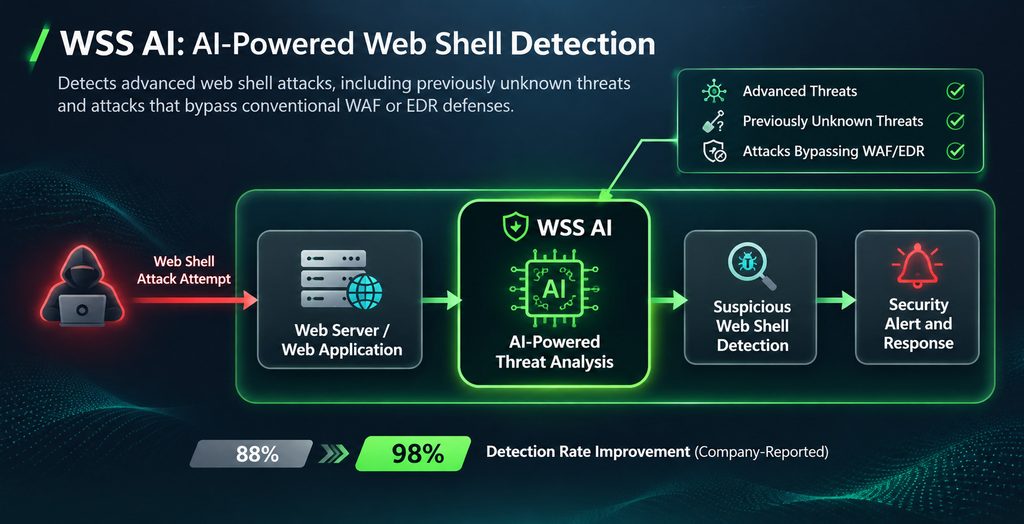
WSS AI uses AI-powered analysis to detect web shell attacks, including previously unknown threats and attacks that bypass traditional WAF or EDR defenses.
By complementing existing security controls, WSS AI helps organizations strengthen their ability to identify advanced threats targeting web servers.
UMV also highlighted improvements in detection performance associated with its AI-based analysis capabilities.
According to the company’s reported figures, the detection rate improved from 88% to 98%.
This improvement reflects UMV’s continued efforts to enhance its web security detection technology.
During Tokyo Security Days Fall 2026, UMV introduced WSS AI as a key component of the ZYON AI platform.
WARSS: Strengthening Cyber Resilience Through Real-Time Recovery
Threat detection is essential, but organizations must also prepare for situations in which attackers successfully compromise their systems.
Website defacement, unauthorized file modifications, and other integrity-related incidents can disrupt online services and affect business operations.
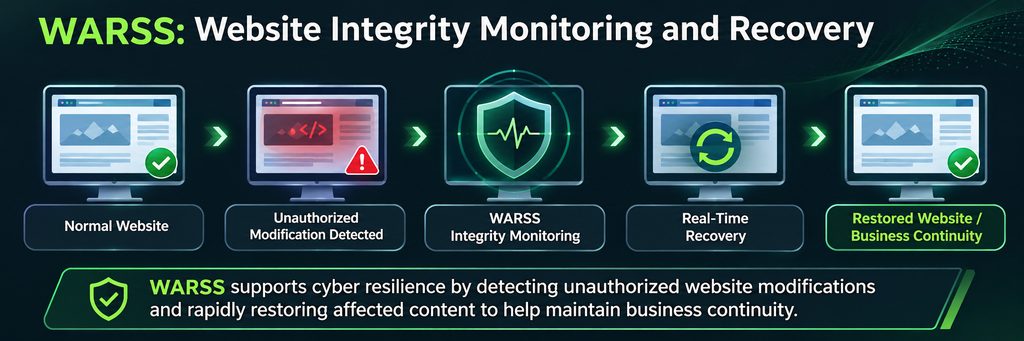
WARSS is UMV’s website integrity monitoring and recovery solution.
It is designed to detect unauthorized website modifications and support rapid restoration of affected content.
WARSS plays a central role in UMV’s cyber resilience strategy by helping organizations recover from website integrity incidents and restore normal operations.
Rather than focusing exclusively on preventing initial attacks, this approach emphasizes reducing the operational impact of successful intrusions.
By detecting unauthorized changes and restoring affected website content, WARSS supports service continuity and helps minimize disruption.
This recovery-oriented capability is particularly important as organizations face increasingly sophisticated and automated cyber threats.
Live Demonstrations Draw Interest from Japanese Security Professionals
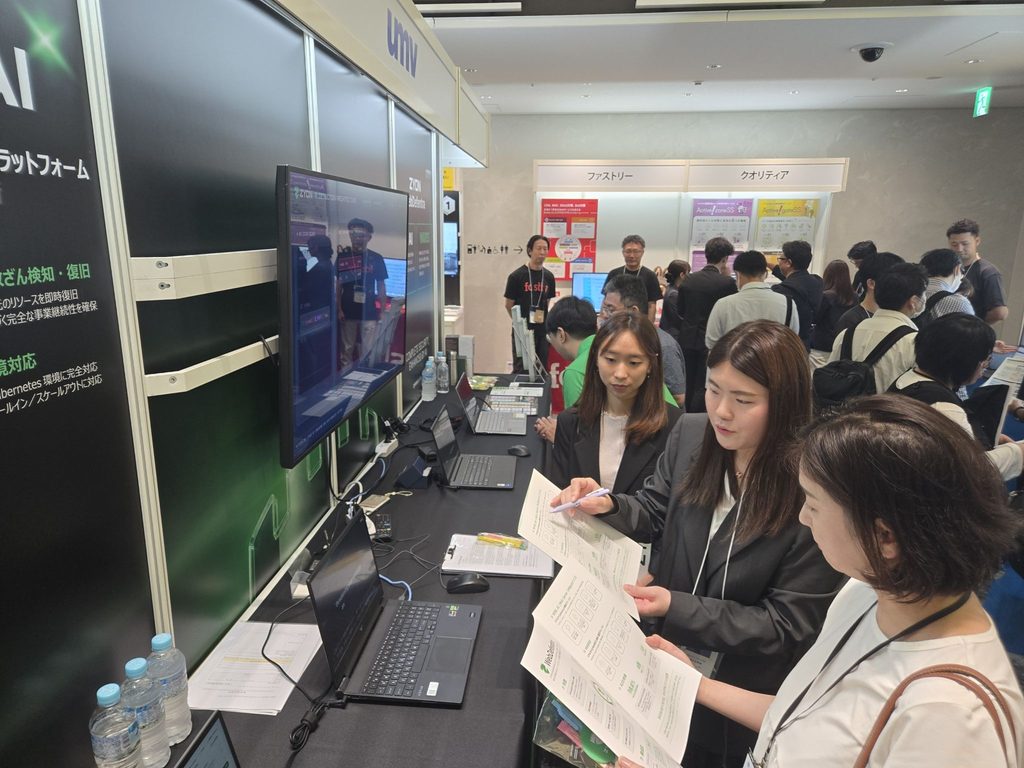
In addition to its technical seminar, UMV conducted live demonstrations of ZYON AI at its exhibition booth.
These demonstrations allowed Japanese security professionals and potential customers to observe the platform’s security capabilities.
According to UMV, booth visits increased significantly following the technical seminar.
Visitors showed particular interest in the live demonstration environment and asked detailed questions about the technologies presented.
The demonstrations also generated potential adoption inquiries and opportunities to establish professional connections within the Japanese cybersecurity market.
These interactions provided UMV with an opportunity to introduce its technologies directly to security decision-makers and technical specialists.
The event represented an important step in presenting ZYON AI’s capabilities to the Japanese market.
Combining AI-Powered Detection with Cyber Resilience
The growing sophistication of AI-driven cyber threats is changing how organizations approach web security.
Traditional preventive defenses remain important. However, effective cybersecurity also requires the ability to detect advanced attacks and recover quickly when incidents occur.
UMV’s ZYON AI platform brings together complementary capabilities through WSS AI and WARSS.
WSS AI focuses on identifying advanced web shell threats, including attacks that may bypass conventional security controls.
WARSS supports cyber resilience through website integrity monitoring and rapid recovery from unauthorized modifications.
Together, these technologies address two important security objectives: detecting threats and limiting the operational impact of successful attacks.
The official Japanese launch at Tokyo Security Days Fall 2026 provided UMV with an opportunity to introduce this approach to Japanese security professionals.
Through its technical seminar and live demonstrations, UMV highlighted the importance of combining AI-powered detection with recovery-oriented security.
As cyber threats continue to evolve, organizations will increasingly need security strategies that prioritize both protection and business continuity.
Related Intelligence
- UMV Inc. Showcases ML-Based Web Shell Detection at GITEX AI Türkiye 2026
- UMV Inc. and Kazakhstan’s AG TECH Sign MOU to Develop Security Software
- ZYON AI Officially Launched at UMV Partner Summit 2026
- WSS AI Selected by Shinhan Financial Group and JT Chinae Savings Bank
- WSS AI Expands Kubernetes Support
- WSS AI Receives 2026 Korea Leading Company Award
- WSS AI Recognized for Advancing AI-Powered Web Security
Sources
News: [K-Security in Japan] UMV Inc. Targets Japan’s Web Security Market with AI-Powered Web Shell Detection
News: UMV Inc. Discusses Web Shell Security Breaches and Prevention Strategies at Tokyo Security Days
News: UMV Inc. Unveils ‘ZYON AI’ in Japan, Demonstrates Web Shell Detection and Automated Recovery